Commercial cleaning and food hygiene professionals in Brampton support food establishments, commissaries, baking facilities, warehouses, and mobile food services staying compliant. They sanitize high-contact points, food preparation surfaces, equipment, floors, drains, restrooms, and food handling spaces using certified products, at correct dilution, and recording exposure duration. You require regular sanitation determined by hazard level, volume, food allergies, and regulatory assessments, plus verification records that support Hazard Analysis Critical Control Points, audits, and regulatory adherence. The following information outlines how effective cleaning systems must contain.
Important Highlights
- Food safety cleaning technicians from Brampton support restaurants, grocery departments, commissaries, warehouses, bakeries, schools, mobile vendors, and allergen-sensitive operations.
- Compartmentalized approaches clean frequently contacted areas, food-contact equipment, kitchens, floors, drains, restrooms, and storage areas for reducing cross-contamination.
- Approved sanitizer dilution, alignment, and exposure duration are confirmed by trained contractors, with conclusion documented via samples, inspections, and correction logs.
- Regular, recurring, and seasonal duties designated by area comprise hygiene calendars grounded on threat, throughput, switches, spills, and standards.
- Providers ought to exhibit hazard analysis knowledge, sanitation understanding, WHMIS preparation, liability, credentials, coded equipment, and audit-ready cleaning files.
Which Brampton Facilities Need Food Safety Cleaning?
Any Brampton facility that manages, stores, prepares, packages, or serves food needs food sanitation. You must apply it if your establishment falls under public health inspection, food premises regulations, or internal HACCP-based controls. That requirement covers restaurants, cafeterias, commissaries, grocery food departments, butcher shops, seafood counters, convenience stores, and institutional kitchens.
You also need proper hygiene cleaning in distribution centers, food processing plants, freezer facilities, commercial bakeries, educational nutrition programs, event spaces, and catering hubs. Mobile and seasonal operations count too, including catering trucks, festival vendors, and pop-up food booths. If your staff work with raw supplies, divide prepared foods, warm dishes, or organize allergen inventory, your facility needs recorded sanitation procedures. In Brampton, hygiene isn't elective; it's part of legal, operational, and consumer protection compliance.
Which Areas Do Brampton Cleaning Experts Cover?
Professional cleaning services specializing in Brampton disinfect high-contact surfaces, food preparation areas, floors, and sanitary facilities to satisfy food safety standards and health requirements. Focus on these locations stems from extreme cross-contamination risk, injury hazards, and compliance issues.
When you understand act now what they clean, you can verify that your facility's cleaning scope meets compliance and operational standards.
Sterilizing High-Touch Surfaces
structure sanitization frequency considering foot traffic, environmental hazards, and business activities.
maintaining directional workflows, and separating cleaning materials according to section
Kitchen Areas, Floor Surfaces, and Bathroom Spaces
Brampton cleaning services zero in on kitchens, floors, and restrooms as each zone presents distinct sanitation, accident, and public health concerns. In industrial kitchens, you need degreasing on cook lines, equipment exteriors, drains, prep surfaces, and splash zones to reduce contamination and pest pressure.
You should also expect documented flooring maintenance. is also provided as part of the service.
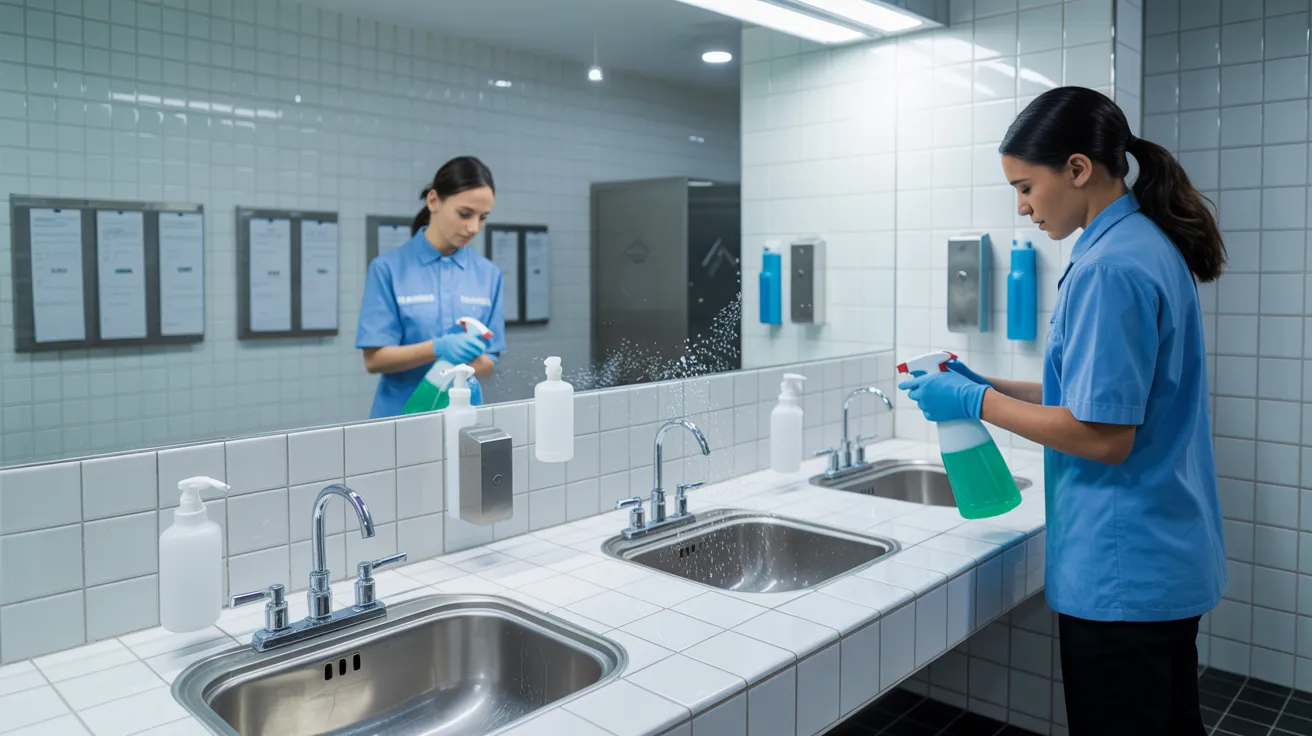
In restrooms, cleaners disinfect touchpoints, fixtures, partitions, dispensers, and waste containers then restock supplies and control odours. They also maintain restaurant cleaning supply rooms where product storage, sink cleanliness, and drain systems impact daily sanitation standards and worker protection.
Food Safety Cleaning Significance for Brampton Businesses
In Brampton, you must maintain sanitary cleaning practices to meet health code requirements and pass inspections. You also reduce cross-contamination by cleaning and sanitizing food-contact surfaces, equipment, and high-touch areas correctly. Most importantly, you safeguard public health by lowering the risk of foodborne illness in your facility.
Sanitary Standards Adherence
Because Brampton food operations operate under rigorous sanitary regulations, food safety cleaning directly affects your ability to meet health code requirements, safeguard customers, and avoid enforcement action. You must maintain sanitary food-contact surfaces, documented cleaning schedules, correct sanitizer application, and documented employee protocols that align with municipal and provincial inspection expectations.
During inspections of your operation, auditors analyze if your hygiene protocols ensures secure product handling, machinery hygiene, waste handling, and bathroom upkeep.
Cross-Contamination Avoidance
Meeting regulatory requirements also depends on your ability to prevent cross-contamination during daily food handling and cleaning. You must keep raw items away from prepared dishes, sanitize prep surfaces between tasks, and keep cleaning products separate from food areas. Established guidelines minimize contamination chances and support consistent compliance during inspections.
You might establish allergen separation to stop main allergens from reaching common areas, containers, or machinery. Use dedicated cutting boards, color-coded tools, and strict utensil labeling so staff don't mix items during preparation or service. Mandate handwashing after handling uncooked meat, fish, egg products, or allergens. Swap cleaning rags frequently, and check sanitizer strength with test strips. When you train staff to follow these controls each shift, you develop a more sanitary, secure business that meets Brampton's food safety expectations daily.
Public Health Protection
Should food safety cleaning break, you don't simply encounter inspection problems—you increase the potential of contamination-related sickness impacting customers, staff, and the wider Brampton population. You also undermine your responsibility in safeguarding community wellness, especially in busy food facilities where contamination can spread quickly through surfaces, equipment, and touchpoints.
You require sanitation systems that eliminate soils, sanitize effectively, and validate outcomes. This requires following exposure durations, using authorized sanitizers, documenting procedures, and educating staff to meet regulatory requirements. These controls promote pathogen control by minimizing pathogens before reaching surfaces or food. Throughout Brampton, strong cleaning safeguards susceptible populations, minimizes disease potential, and demonstrates your diligence. When you follow proper protocols, you exceed regulations—you lower hazards and facilitate secure food handling region-wide.
In What Ways Does Cleaning Help Achieve Food Safety Compliance?
Maintaining thorough cleaning protocols strengthens food safety compliance by decreasing contamination threats, controlling pathogen growth, and keeping your facility compliant with sanitation requirements under HACCP-based programs and public health regulations. You confirm that food-contact surfaces stay visibly clean and microbiologically controlled, facilitating documented preventive controls and inspection readiness.
Systematic cleaning additionally enhances allergen control by extracting residues that can trigger undeclared allergen exposure. When you match verified sanitation methods with compliance training, your staff can implement established protocols, handle approved chemicals correctly, maintain records accurately, and address deviations prior to they escalate. Regular cleaning enables supply chain documentation, validates corrective steps, and exhibits accountability throughout audits. It also helps you safeguard product integrity, preserve regulatory compliance, and lower the likelihood of regulatory actions, product recalls, complaints, and unnecessary public health risks.
How Ought You Schedule Commercial Cleaning Work?
Cleaning routines work best when you establish them according to risk, production volume, and regulatory requirements rather than relying on a fixed calendar alone.
Use every week or every month schedules
How Do You Choose Brampton Cleaning Experts?
Begin by evaluating providers based on sanitation compliance standards—not solely on price alone. You should confirm that each organization comprehends CFIA, public health, and HACCP-aligned expectations applicable to your facility. Request insurance certificates, WHMIS compliance, staff training documentation, and oversight procedures. Assess whether technicians recognize cross-contamination risks, chemical handling protocols, and verifiable sanitation records.
Additionally, you need to evaluate service dependability and accountability. Obtain references from Brampton food operations, then review response times, corrective measures, and communication practices. Verify the company supports supplier audits and can deliver compliance-ready records when inspectors or external parties need proof. Verify equipment is maintained, color-coded equipment are applied correctly, and site-specific hazards are identified. A qualified provider ensures compliance, product quality, and your reputation.
What aspects should a Food Safety Cleaning Plan contain?
Document a plan that outlines every sanitation task, standard, and responsibility before production begins. You should record cleaning schedules, approved products, ratios, contact periods, tools, and validation approaches for each area, surface, and device. Remember to add pre-operational inspections, corrective actions, and employee training requirements.
Your plan should also tackle cross-contamination controls, waste handling, pest-prevention measures, and documented schedules for facilities, drains, flooring, and food-preparation surfaces. Outline how you'll distinguish between uncooked and prepared items, facilitate ingredient tracking, and keep accurate allergen labeling through validated cleaning between product changes. You should establish accountability, keep signed records, and assess results against regulatory standards, HACCP controls, and customer requirements. When gaps appear, modify procedures immediately and retrain staff.
Popular Asked Questions
Will cleaning services manage nighttime hours at Brampton properties?
If you run controlled spaces, you'll also need records that enable audits and ensure compliance.
Are emergency spill response services provided from Brampton cleaning experts?
Yes, you can find Brampton sanitation professionals to offer hazard containment services. They manage hazardous materials, evaluate dangers, isolate affected areas, and begin swift cleanup to minimize risk and business interruption. You should confirm their response times, professional credentials, safety procedures, and disposal procedures. If your facility must meet health or food safety regulations, choose a provider that records events, follows compliant sanitation standards, and supports audit readiness.
Will environmentally safe disinfectants clean safely food preparation areas?
Definitely, green disinfectants work safely on surfaces contacting food if you buy products labeled food safe that adhere to regulatory standards. You need to verify contact times, dilution ratios, and rinsing needs before use. Plant based formulas lower toxic chemical contact, but you need proof of efficacy against relevant pathogens. To preserve residue-free areas, adhere to precise manufacturer instructions and ensure your disinfectant meets food sanitation requirements.
Can sanitation programs adjust with seasonal production changes?
Yes, you can tailor sanitation programs for seasonal shifts. You should revise intervals, labor allocation, chemicals, and testing procedures to align with seasonal workflows while upholding regulatory adherence. You'll reduce operational delays by timing sanitation around equipment transitions, peak seasons, and operational patterns. You should additionally update procedural documents, instruction programs, and environmental monitoring to address temporary risks, additional allergens, or higher contamination levels. Periodic assessments maintain your program efficient.
Do commercial cleaning providers coach staff members in proper hygiene techniques?
Yes, commercial cleaners often train your staff on hygiene standards. You get employee instruction on proper chemical use, contact times, cross-contamination prevention, equipment disassembly, and record keeping. They typically align instruction with HACCP, GMP, and CFIA or local public health requirements. Many also conduct hygiene inspections to verify compliance, identify gaps, and reinforce corrective actions. This allows you to maintain consistent procedures, succeed in audits, and reduce food safety risks daily.
Closing Remarks
Through working with Brampton food safety and commercial cleaning experts, you do far more than tidy—you keep your operation prepared for audits and your standards meet requirements. From kitchen spaces to processing areas, all clean areas and kept corners reduce contamination risks and avoid major losses. Through booking service at proper intervals and adhering to a comprehensive cleaning program, you safeguard your team, your patrons, and your good name. In a tightly controlled regulatory landscape, proper sanitation must be a priority—they are fundamental to success.